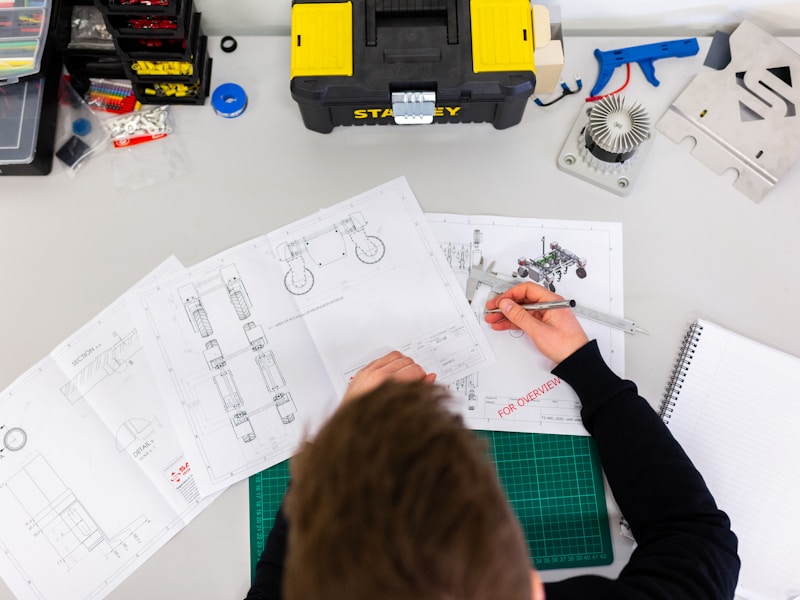
BIM for Structural Steel Detailing
Building Information Modeling has revolutionized structural steel detailing, enabling more precise modeling, automated fabrication data generation, and improved coordination between design, detailing, and fabrication. BIM-based steel detailing streamlines workflows and reduces errors throughout the steel construction process, creating a seamless flow from design to fabrication to erection.
The integration of BIM with steel detailing transforms what was traditionally a drawing-based process into an intelligent 3D modeling workflow. This transformation enables automatic generation of shop drawings, fabrication data, and erection sequences directly from detailed 3D models. The result is greater accuracy, reduced errors, and faster delivery of steel fabrication packages.
Advantages of BIM in Steel Detailing
BIM offers numerous benefits for structural steel projects:
- 3D Visualization: See steel structures in full 3D before fabrication
- Automated Drawings: Generate shop drawings automatically from 3D models
- Fabrication Data: Export CNC data directly for automated fabrication
- Clash Detection: Identify conflicts with other building systems early
- Material Optimization: Minimize waste through accurate quantity calculations
- Coordination: Better coordination with architectural and MEP systems
Tekla Structures for Steel Detailing
Tekla Structures is the industry-leading BIM software for structural steel detailing:
- Parametric Modeling: Create intelligent, data-rich steel models
- Connection Design: Model and analyze steel connections
- Automated Detailing: Generate detailed shop drawings automatically
- NC/CNC Export: Export data for automated fabrication equipment
- Multi-Material Support: Handle steel, concrete, and timber in one model
- Collaboration Tools: Share models with design teams and fabricators
Steel Modeling Best Practices
Effective steel modeling requires following best practices:
- Model Organization: Structure models by building levels or zones
- Naming Conventions: Use consistent naming for members and connections
- Reference Models: Link architectural and structural design models
- Connection Standardization: Use standard connection types where possible
- Material Properties: Assign correct material grades and properties
- Model Validation: Regularly check for errors and inconsistencies
Shop Drawing Generation
BIM automates shop drawing creation:
- Automatic Views: Generate plan, elevation, and section views automatically
- Dimensioning: Add dimensions automatically based on model geometry
- Part Marking: Generate part marks and identification numbers
- Assembly Drawings: Create assembly drawings showing connection details
- Material Lists: Generate bills of materials automatically
- Drawing Standards: Apply company standards and templates
Fabrication Data Export
BIM models provide direct links to fabrication:
- CNC Data: Export numerical control data for automated cutting
- Bending Information: Provide bending data for automated bending machines
- Drilling Patterns: Export hole locations for automated drilling
- Welding Information: Include weld specifications and locations
- Surface Preparation: Specify surface treatment requirements
Coordination with Other Disciplines
Steel detailing models must coordinate with:
- Architectural Models: Ensure steel aligns with architectural intent
- MEP Systems: Coordinate with mechanical, electrical, and plumbing
- Concrete Structures: Coordinate embedded plates and connections
- Facade Systems: Ensure proper support for cladding and curtain walls
Connection Design and Detailing
Steel connections are critical components:
- Connection Types: Selecting appropriate connection types for loads
- Connection Modeling: Creating detailed 3D connection models
- Analysis Integration: Linking to structural analysis software
- Fabrication Considerations: Ensuring connections are fabricable
- Erection Sequence: Planning connection types for erection efficiency
Quality Control in Steel Detailing
Maintaining quality requires:
- Model Checking: Systematic checks for errors and omissions
- Drawing Review: Reviewing generated drawings for accuracy
- Coordination Review: Checking coordination with other disciplines
- Fabrication Review: Ensuring models support fabrication requirements
- Standards Compliance: Verifying compliance with codes and standards
Material Optimization
BIM enables better material management:
- Quantity Takeoffs: Accurate material quantities from models
- Cutting Optimization: Minimize waste through efficient cutting plans
- Stock Utilization: Optimize use of standard stock lengths
- Material Tracking: Track materials from order to installation
Advanced Steel Detailing Techniques
Advanced projects may require:
- Complex Geometry: Modeling curved and complex steel structures
- Special Connections: Designing and detailing unique connection types
- Phased Construction: Coordinating steel for phased construction
- Retrofit Projects: Integrating new steel with existing structures
Why Choose Professional Steel Detailing Services?
Professional steel detailing requires specialized expertise in both BIM modeling and steel construction. Constrox's steel detailing team has extensive experience with Tekla Structures and other steel detailing platforms. We understand fabrication requirements and can create detailed models that support efficient fabrication and erection.
Constrox's Steel Detailing Services
Constrox provides comprehensive BIM steel detailing services including 3D modeling, shop drawing creation, fabrication data export, and coordination with other disciplines. Our offshore steel detailing support offers cost-effective access to skilled professionals who understand international steel construction standards and best practices.
Contact Constrox to learn how our BIM steel detailing services can improve accuracy and efficiency in your structural steel projects. Our team specializes in creating detailed, fabrication-ready models that reduce errors and accelerate project delivery.